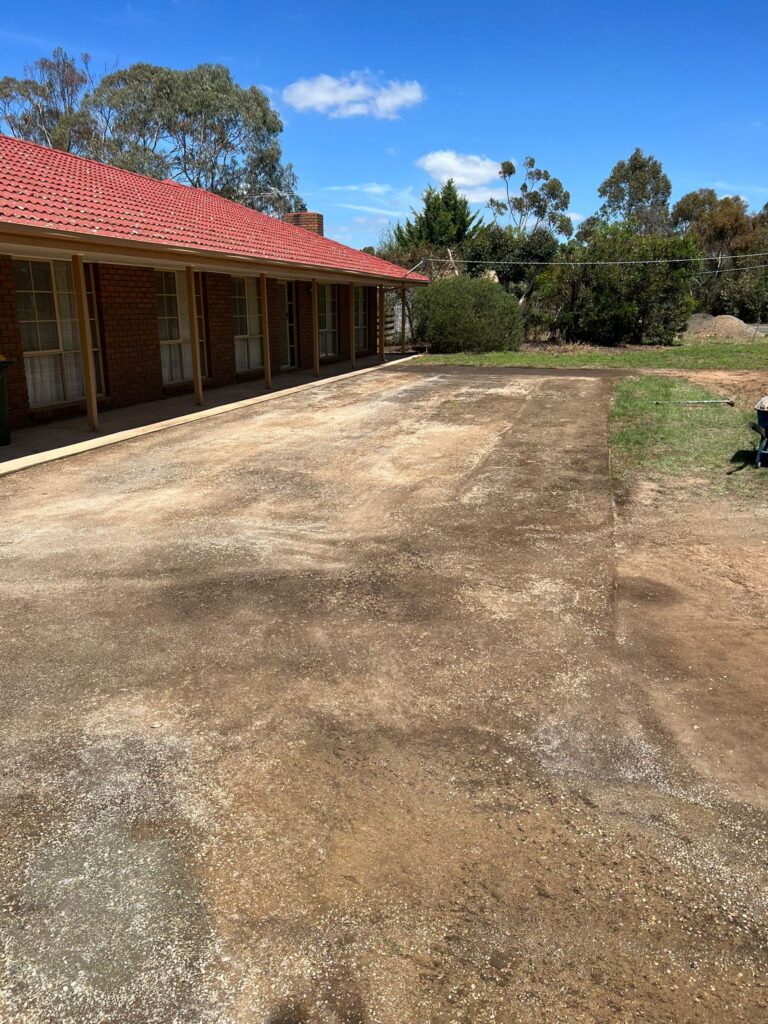
Hardstands play an important role on sites where vehicles, machinery, equipment or materials need a stable and dependable working surface. When these areas are poorly constructed, everyday operations can be affected by rutting, standing water, surface deterioration and restricted vehicle movement. Professional hardstand construction addresses these issues from the ground up, creating a surface designed around how the site actually operates.
For businesses and property owners in Kenilworth, QLD, a well-planned asphalt or bitumen hardstand can help maintain more consistent access and reduce avoidable interruptions to daily activities. Kenilworth Asphalt & Bitumen Surfacing approaches hardstand construction as a complete pavement project, with careful consideration given to site preparation, traffic movements, drainage and long-term performance.
Why Site Planning Matters Before Construction Begins
Reducing disruption starts before machinery begins preparing the ground. A hardstand should be planned around existing access points, vehicle routes, loading areas and the way different parts of the property are used.
A professional site assessment can identify:
- Main vehicle entry and exit points
- Regular traffic routes
- Turning and manoeuvring areas
- Loading and unloading locations
- Areas used for equipment or material storage
- Existing drainage patterns
- Sections exposed to concentrated vehicle loads
Understanding these requirements allows construction to be organised more effectively while ensuring the finished hardstand supports everyday operations.
Creating a Hardstand Around Vehicle Movements
Poorly planned working areas can create unnecessary congestion. Vehicles may have limited room to turn, loading areas can become difficult to approach, and drivers may need to cross unsuitable ground to reach different sections of the site.
A professionally designed hardstand considers these movements before the pavement is constructed.
Providing suitable circulation space can make it easier for vehicles to enter, manoeuvre, park and leave without creating avoidable bottlenecks. This is particularly important on operational sites where several vehicle movements may occur throughout the working day.
A Stable Surface Helps Keep Operations Moving
Soft, loose or deteriorated ground can become increasingly difficult to use under repeated traffic.
Wheel ruts can develop, surface material may be displaced and uneven areas can make access less predictable. After wet conditions, already weak sections can become even more difficult for vehicles and equipment to use.
A properly constructed hardstand provides a stable pavement designed for the site’s expected demands. This can help maintain more consistent access and reduce interruptions associated with deteriorating ground conditions.
Correct Pavement Construction Is Essential
The visible asphalt or bitumen surface is only one part of a reliable hardstand.
The pavement underneath must provide sufficient support for the traffic and activities taking place above it. If the foundation is inadequate, repeated vehicle loads can eventually cause deformation, cracking and other forms of deterioration.
Professional construction therefore considers:
- Existing ground conditions
- Pavement preparation
- Appropriate base materials
- Compaction
- Surface levels
- Expected vehicle loading
- Final surfacing requirements
Getting these fundamentals right helps create a working area that performs consistently rather than requiring frequent attention to recurring defects.
Good Drainage Reduces Operational Problems
Water management is particularly important across large hardstand areas.
If surface levels are incorrect, rainfall can collect in depressions or flow towards areas where vehicles and equipment need regular access. Persistent standing water can also contribute to deterioration within the pavement.
Professional grading establishes suitable levels and falls so water can move away from critical working areas.
Effective drainage can help reduce:
- Standing water
- Soft pavement sections
- Erosion
- Surface deterioration
- Water collecting in traffic routes
- Disruption around loading and storage areas
Drainage should therefore be incorporated into the initial hardstand design rather than treated as a separate issue after construction.
Stronger High-Traffic Areas Reduce Recurring Repairs
Not every section of a hardstand experiences the same stresses.
Entry points, turning areas, loading zones and sections used by heavier vehicles may receive considerably more concentrated loading than quieter parts of the pavement.
Professional hardstand construction identifies these high-demand areas during planning. The pavement can then be prepared with its intended use in mind rather than applying the same assumptions across the entire site.
This approach can help reduce premature deterioration in the places where pavement failure would be most disruptive.
Fewer Surface Defects Mean More Predictable Access
Potholes, rutting and broken pavement can interfere with normal site movements. Drivers may need to slow considerably or alter their route around damaged areas, while severe deterioration can restrict the usable portion of a hardstand.
Preventing these problems begins with sound pavement construction.
A stable base, appropriate compaction, effective drainage and suitable surfacing work together to reduce the conditions that commonly contribute to early pavement failure.
Professional Preparation Can Reduce Future Disruption
One of the most important advantages of constructing a hardstand properly is avoiding the need to repeatedly correct preventable problems.
Taking shortcuts during preparation may initially leave a usable surface, but weaknesses underneath can become apparent once regular traffic begins applying load to the pavement.
Recurring repairs can themselves become disruptive because sections of the working area may need attention while the site is operational.
Thorough preparation aims to address foreseeable weaknesses during the original construction process.
Asphalt and Bitumen Surfaces Provide Defined Working Areas
A properly surfaced hardstand creates a clearly established area for vehicle movement, parking, storage and other site activities.
Compared with an unstable or poorly maintained surface, a defined asphalt or bitumen pavement can provide more predictable conditions for everyday operations.
The appropriate surfacing method depends on factors such as:
- Intended use
- Traffic frequency
- Vehicle types
- Pavement condition
- Required surface characteristics
- Site layout
Selecting the surface according to actual site requirements is an important part of achieving dependable performance.
Construction Should Reflect How the Site Operates
A hardstand should not be treated as simply a large area of pavement.
Different sites have different operational requirements. Some need extensive vehicle turning space, while others require reliable loading zones, equipment storage areas or access for regular deliveries.
Professional planning allows the pavement layout and construction to reflect these requirements. This can improve how effectively the finished hardstand integrates with existing operations rather than forcing the operation to adapt around an unsuitable pavement.
Maintenance Becomes Easier With a Well-Constructed Surface
All working pavements should be monitored over time, particularly where they carry regular traffic. However, a properly constructed hardstand provides a stronger starting point for ongoing maintenance.
Early signs such as localised cracking, drainage changes or isolated surface damage can be identified and addressed before they begin interfering significantly with site use.
By contrast, a hardstand affected by widespread foundation problems can require repeated attention across multiple areas, creating greater disruption to normal activities.
Why Professional Hardstand Construction Adds Long-Term Value
The practical value of a hardstand comes from how reliably it supports the activities taking place on it.
A professionally planned and constructed pavement can contribute to:
- More dependable vehicle access
- Smoother traffic circulation
- Stable loading and parking areas
- Improved surface drainage
- Reduced formation of ruts and potholes
- More predictable working conditions
- Easier ongoing pavement maintenance
These benefits come from considering the complete pavement system rather than concentrating only on the finished surface.
Conclusion
Professional hardstand construction can reduce site disruption by creating a stable, well-drained and appropriately designed pavement for everyday vehicle and operational demands. Careful planning helps establish efficient traffic routes, while correct preparation, compaction and drainage reduce the likelihood of premature defects that could interfere with site access.
For businesses and property owners in Kenilworth, QLD, Kenilworth Asphalt & Bitumen Surfacing provides professional hardstand construction and surfacing tailored to individual site conditions. If an existing working area is becoming difficult to use or a new hardstand is required, arranging a professional assessment can help determine the most suitable approach for reliable, practical site access.
Call us on: 07 5241 4500
Click here to find out more about Kenilworth Asphalt & Bitumen Surfacing
Click here to complete our contact form and see how we can help with your Asphalt and Bitumen Surfacing needs.