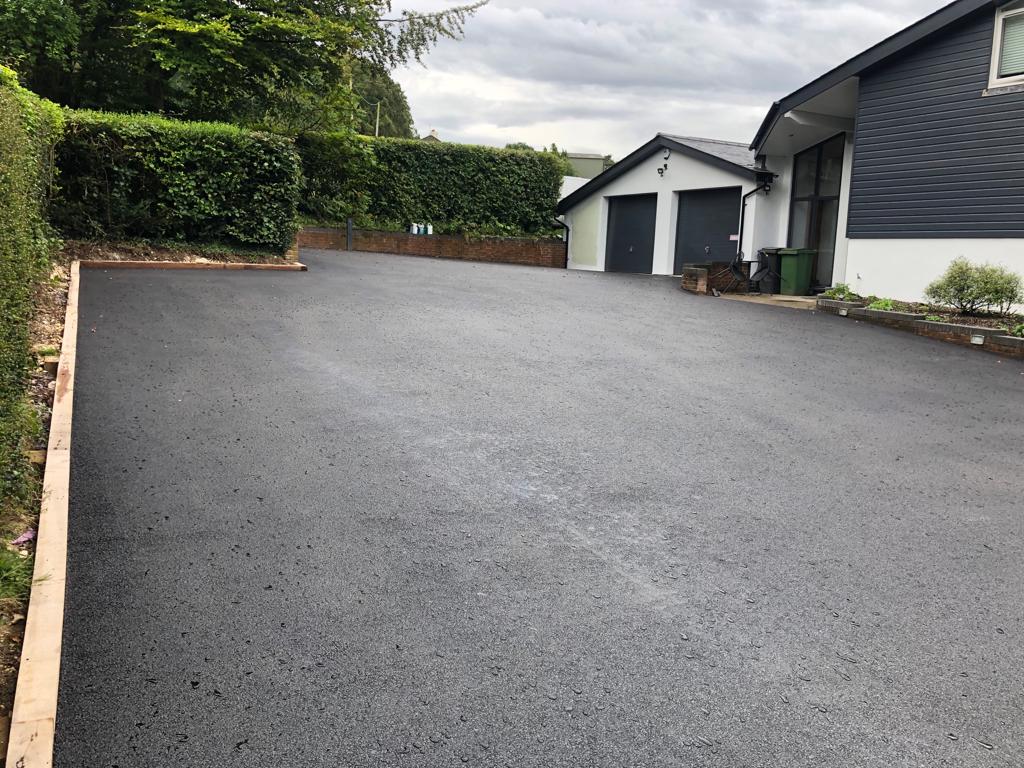
Asphalt is designed to provide a durable, dependable surface, but it will naturally show signs of wear as it ages. Traffic, weather exposure, moisture and repeated loading can gradually lead to cracking, surface deterioration and potholes. When these problems appear, an important question is whether individual patches are still appropriate or whether the pavement has reached the stage where resurfacing makes more sense.
The answer depends on the extent of the deterioration and, importantly, the condition of the pavement beneath the visible surface. At Kenilworth Asphalt & Bitumen Surfacing, we provide professional asphalt and bitumen resurfacing services throughout Kenilworth, QLD, helping property owners determine the most appropriate treatment for ageing or damaged surfaces.
What Is Asphalt Patching?
Asphalt patching is a localised repair method used to address specific areas of damage while leaving the surrounding pavement largely unchanged.
It can be suitable for problems such as:
- An isolated pothole
- A small area of surface failure
- Localised cracking
- Damaged pavement edges
- Individual depressions
When most of the surrounding asphalt remains in sound condition, a properly completed patch can restore the damaged section and help prevent deterioration from spreading.
The important point is that patching treats individual defects. It is not intended to renew an entire pavement that is deteriorating across a large area.
What Does Asphalt Resurfacing Do?
Resurfacing takes a broader approach.
Rather than repairing one damaged section at a time, resurfacing involves preparing the existing pavement and installing a new asphalt layer over a suitable surface. Existing defects need to be addressed beforehand so the new layer has a sound pavement beneath it.
Resurfacing can help restore:
- Surface consistency
- Driving comfort
- Pavement appearance
- Surface texture
- Overall usability
It can be an effective way of extending the serviceable life of an ageing pavement when the underlying structure remains sufficiently stable.
Widespread Cracking Can Indicate the Need for Resurfacing
One isolated crack does not usually mean an entire surface requires resurfacing. When cracking becomes widespread, however, continually repairing individual sections may no longer address the overall condition of the pavement.
Numerous cracks can also provide more opportunities for water to enter the asphalt.
Once moisture reaches the underlying layers, traffic can place additional stress on weakened sections and accelerate deterioration. Treating the pavement before widespread cracking develops into more substantial failures can help protect the remaining structure.
Multiple Patches Can Be a Warning Sign
Previous asphalt repairs are not necessarily a problem. Localised patches are a normal part of maintaining many paved surfaces.
However, if new failures continue appearing between older patches, it may indicate that the pavement is deteriorating more generally.
A surface covered with numerous repairs may become:
- Increasingly uneven
- Less comfortable to drive over
- More difficult to maintain consistently
- Vulnerable to new defects between repaired sections
At this stage, assessing the pavement as a whole can be more useful than continuing to view every defect separately.
Repeated Potholes Need Further Investigation
A pothole that repeatedly develops in the same location deserves closer attention.
Potholes often form when water enters the pavement and weakens the supporting materials. Traffic passing over the affected section then causes the asphalt to flex and break apart.
If a pothole returns after repair, possible causes may include:
- Weak material beneath the asphalt
- Poor drainage
- Water infiltration
- Movement within the pavement
- Damage extending beyond the original patch
The underlying cause should be identified before deciding whether another patch or a broader pavement treatment is appropriate.
General Surface Wear Can Make Resurfacing More Suitable
Not every ageing asphalt surface develops large potholes immediately.
Sometimes deterioration occurs gradually across the entire pavement. The surface may become rougher, lose material or provide an increasingly inconsistent driving experience.
Signs of widespread wear can include:
- Surface fading
- Loose aggregate
- Fine cracking across multiple areas
- Rough texture
- Minor depressions
- General weathering
When these conditions affect much of the pavement, resurfacing can create a renewed wearing course rather than relying on numerous small repairs.
Unevenness Can Affect Everyday Use
The condition of asphalt affects more than appearance.
A pavement containing numerous patches, depressions and deteriorated sections can become uncomfortable for vehicles and less practical for everyday access.
This can be particularly noticeable across:
- Driveways
- Access roads
- Car parks
- Hardstands
- Commercial traffic areas
Where the underlying structure remains suitable, resurfacing can help restore a smoother and more consistent surface across the whole area.
Drainage Problems Must Be Addressed First
Neither patching nor resurfacing will provide the best long-term result if water is continually damaging the pavement.
Pooling water, poor surface falls or drainage flowing through vulnerable pavement areas can allow moisture to enter the structure repeatedly.
Before resurfacing, it is important to identify whether drainage is contributing to the deterioration. Correcting the cause helps protect the renewed asphalt rather than allowing the same problem to continue beneath the new surface.
The Condition Beneath the Asphalt Is Crucial
One of the most important factors when deciding between patching and resurfacing is the condition of the pavement foundation.
Resurfacing works best where the existing pavement still provides adequate structural support. A new asphalt layer cannot permanently correct substantial movement or failure underneath it.
Signs that deeper investigation may be required include:
- Significant settlement
- Severe rutting
- Large areas of deformation
- Extensive interconnected cracking
- Recurring failures across the pavement
- Noticeable movement under traffic
Where structural problems are present, appropriate base repairs or reconstruction may need to occur before resurfacing.
When Is Patching Still the Better Approach?
Resurfacing is not automatically necessary simply because an asphalt surface has developed some damage.
Patching can remain an effective solution when:
- Damage is isolated
- Most of the pavement remains sound
- The surrounding asphalt is stable
- The underlying base remains strong
- The cause of the localised failure can be corrected
The objective should always be to match the repair method to the actual condition of the pavement rather than carrying out more work than the surface requires.
Why Timing Matters
There can be a useful window between minor localised deterioration and major structural failure.
Resurfacing during this stage can preserve a pavement that still has a serviceable foundation while renewing the worn upper surface. Waiting until extensive base failure develops may mean that resurfacing alone is no longer appropriate.
Regular inspections help property owners recognise when isolated maintenance is becoming widespread deterioration.
Professional Assessment Helps Avoid Guesswork
It can be difficult to judge the condition of an asphalt pavement from its appearance alone. Similar-looking cracks or potholes can develop for very different reasons.
At Kenilworth Asphalt & Bitumen Surfacing, we assess asphalt surfaces throughout Kenilworth, QLD with consideration for the extent of deterioration, drainage, pavement stability and intended use. This allows us to determine whether localised patching, resurfacing or more substantial preparation is the appropriate approach.
The aim is to address what is actually happening within the pavement rather than simply covering visible damage.
Conclusion
Worn asphalt generally becomes a candidate for resurfacing when deterioration is widespread rather than confined to a few isolated defects. Extensive cracking, numerous patches, recurring potholes, general surface wear and increasingly uneven driving conditions can all indicate that treating individual areas is no longer enough. However, the underlying pavement must still be structurally suitable for resurfacing to provide a dependable result.
For property owners and businesses in Kenilworth, QLD, Kenilworth Asphalt & Bitumen Surfacing provides professional asphalt repairs and bitumen resurfacing solutions based on the condition of each pavement. If your existing surface is becoming increasingly worn or requiring repeated repairs, our team can assess it and recommend a practical approach designed to restore reliable performance and protect the pavement for the future.
Call us on: 07 5241 4500
Click here to find out more about Kenilworth Asphalt & Bitumen Surfacing
Click here to complete our contact form and see how we can help with your Asphalt and Bitumen Surfacing needs.